Health and Safety Policy for Cleaners N4
 Our Health and Safety Policy for Cleaners N4 is designed to support safe, consistent, and professional cleaning operations in every environment. It sets out the standards expected from all cleaning staff, supervisors, and managers, with a clear focus on reducing risks, protecting wellbeing, and maintaining a reliable service. A strong cleaners health and safety policy helps ensure that daily tasks are completed with care, attention, and proper control measures.
The nature of cleaning work means that staff may encounter wet floors, chemical products, sharp objects, manual handling tasks, and pressure to work efficiently in busy spaces. For this reason, every cleaning health and safety policy must address both routine duties and less predictable hazards. The aim is not only to prevent accidents, but also to build a culture where safety is understood as part of quality service delivery.
Health and safety for cleaners begins with preparation, awareness, and the correct use of equipment. Whether staff are working in offices, communal areas, or specialist premises, they should follow safe procedures at all times. This policy applies to all cleaning activities carried out under the service, including scheduled cleans, maintenance tasks, and any one-off duties that involve exposure to risk.
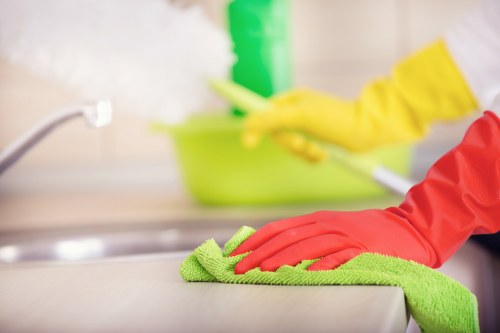 All cleaners must receive clear instructions before starting work and should only carry out tasks for which they are trained and competent. This includes understanding how to use cleaning materials safely, how to handle equipment properly, and how to identify hazards before work begins. Supervisors should ensure that safe cleaning practices are explained, monitored, and updated when conditions change.
Protective clothing and equipment are essential parts of the policy. Depending on the task, cleaners may need gloves, slip-resistant footwear, eye protection, aprons, or face coverings. PPE should be chosen to match the risk involved and must be maintained in good condition. If equipment becomes damaged or ineffective, it should be replaced without delay to protect the worker and those nearby.
Cleaning products must always be stored, labelled, and used according to the manufacturer’s instructions. Staff should never mix chemicals unless they have been specifically authorised and trained to do so. In particular, products used for disinfection, stain removal, or deep cleaning may require extra caution. A cleaning staff safety policy should make it clear that safe dilution, ventilation, and handling are non-negotiable requirements.
 Manual handling is another important area within the policy. Cleaners often lift bins, move furniture, carry supplies, or transport equipment between areas. To reduce strain and injury, staff should use correct lifting techniques, avoid unnecessary loads, and request assistance when items are too heavy or awkward. Where possible, equipment should be designed to reduce repetitive motion and physical pressure.
Slips, trips, and falls remain among the most common hazards in cleaning work. Wet surfaces, cords, clutter, and poorly lit spaces can create danger if not managed properly. The policy therefore requires that warning signs are placed where needed, walkways are kept clear, and floors are left in a safe condition once cleaning is complete. Good housekeeping is a vital part of every cleaner safety policy.
It is also important to protect cleaners from exposure to bodily fluids, waste materials, dust, mould, or other contaminants. Staff should use suitable disposal methods and avoid direct contact wherever possible. If a task presents an unusual hazard, work should pause until the correct controls are in place. A responsible health and safety policy for cleaning teams ensures that safety takes priority over speed.
Emergency readiness is another key element of this policy. Cleaners should know how to respond to spills, breakages, accidents, fires, and unexpected incidents. They must understand reporting lines, emergency exits, and basic first response procedures. In the event of injury or unsafe conditions, staff should stop work and report the issue immediately so it can be dealt with correctly.
Training, supervision, and communication are essential to maintaining standards. New cleaners should receive induction on hazards, safe systems of work, and the correct use of tools and substances. Refresher training should be provided when methods change or when risks are identified. Managers are responsible for ensuring that safety expectations are understood and that workers feel able to raise concerns without hesitation.
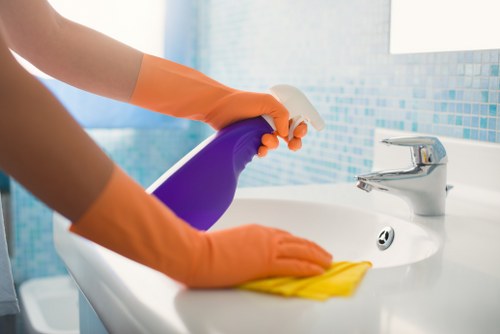 Regular inspection and maintenance of equipment help reduce the likelihood of accidents and service disruption. Vacuums, floor machines, mops, carts, ladders, and other tools should be checked before use and removed from service if they are unsafe. A well-managed N4 cleaners health and safety policy also includes prompt reporting of faults, damage, and missing items so corrective action can be taken quickly.
Health monitoring is useful where cleaners carry out repetitive or physically demanding tasks over time. Any signs of discomfort, skin irritation, breathing difficulty, or musculoskeletal strain should be taken seriously. Early reporting allows adjustments to duties, equipment, or work patterns before minor issues become serious problems. The policy encourages a proactive approach to staff wellbeing as well as accident prevention.
Every person involved in cleaning operations has a role in maintaining safe standards. Cleaners are expected to follow instructions, use equipment properly, and work with care. Supervisors should review procedures and support safe working habits. Employers or service managers must provide suitable resources, training, and oversight to make sure the policy remains practical and effective.
 In summary, this Health and Safety Policy for Cleaners N4 sets out a straightforward commitment to safe work, responsible practice, and consistent risk control. By combining training, proper equipment, effective supervision, and clear procedures, cleaning teams can protect themselves and others while delivering a dependable service. A strong cleaner health and safety approach helps create cleaner, safer, and better-managed working environments.