Small flat access and stairwell cleaning issues Finsbury Park
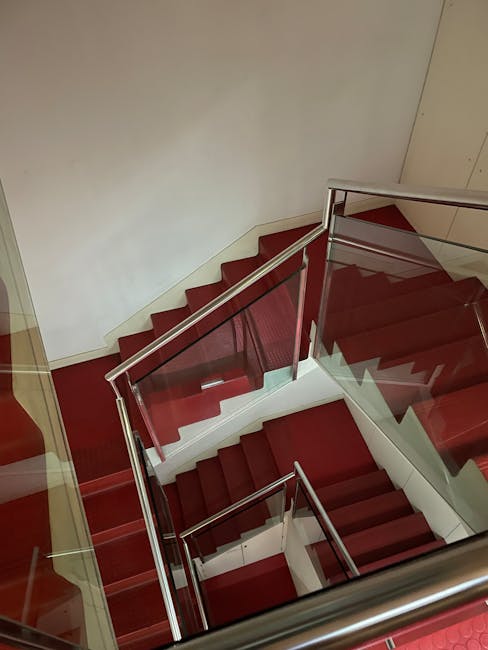
Small flats and shared stairwells can look tidy one day and feel chaotic the next. In Finsbury Park, where many homes sit in converted houses, compact apartment blocks, and older terraces split into flats, cleaning access is often the thing people underestimate. A narrow hallway, awkward stair turns, mixed tenancy use, bikes in the way, and everyone assuming someone else will sort it out - that is usually where the trouble starts.
If you are dealing with Small flat access and stairwell cleaning issues Finsbury Park, this guide will help you make sense of what is actually involved, what good cleaning should include, and how to avoid the usual frustrations. We will also look at practical methods, common mistakes, and the small details that make a shared entrance feel cared for rather than just "wiped over".
Truth be told, stairwells are one of those spaces people only notice when they go wrong. Dust catches the light. Mud gets tracked up after a wet commute. A bin bag left by the door somehow becomes everybody's problem. Let's get into the details properly.
Why Small flat access and stairwell cleaning issues Finsbury Park Matters
Shared access areas do more than connect front doors. They shape first impressions, affect day-to-day comfort, and often decide whether residents feel their building is looked after. In a compact flat conversion, the stairwell may be the only shared indoor space everyone sees. If it is dusty, sticky, or cluttered, the whole property feels tired.
That matters for several reasons. First, cleanliness affects how easy it is to move through the building safely. Second, it influences how neighbours interact. A tidy stairwell quietly encourages people to respect the space. A neglected one can do the opposite. And third, if you ever rent, sell, or manage the property, presentation matters more than many people like to admit.
In Finsbury Park, there is also a practical local layer to this. Many homes are older and were not designed around modern communal routines. That means tight turns, limited storage, small landings, and entrance mats that are never quite the right size. Cleaning has to work around the building, not fight it.
Expert summary: if access routes are cramped, shared, and used heavily, regular, well-planned cleaning is less about luxury and more about keeping the property functional, safe, and decent to live in. Simple as that.
How Small flat access and stairwell cleaning issues Finsbury Park Works
At its best, stairwell cleaning is a routine system rather than a random tidy-up. A cleaner or resident agreement usually covers the main touchpoints, the timing, and the responsibilities around access. In small flats, that system needs to be practical because there is rarely much room to store equipment or to leave items drying for long.
A typical clean of a shared stairwell or access area may include sweeping, vacuuming, mopping, wiping bannisters, cleaning skirting edges, removing marks from doors or switches, and checking for clutter that could cause a trip hazard. Depending on the building, it may also include glass, entry mats, communal windows, or bin-area touchpoints.
The job sounds straightforward, but the awkward bits are where experience matters. A narrow staircase can trap dust in corners. Polished surfaces show footprints quickly. Old paintwork can be sensitive to harsh products. And if the block has multiple residents using the same entrance, you may have to clean around deliveries, prams, shoes, or the odd forgotten umbrella that somehow lives there all winter.
Access is often the real issue. You cannot clean what you cannot reach. So a good process should account for timing, keys or entry arrangements, who opens the door, whether residents need notice, and how to avoid causing disruption. In small buildings, a sensible plan is half the battle.
For larger shared-property needs, many people also look at communal area cleaning because stairwells are only one part of the wider access picture. That can be useful where hallways, entryways, and landings all need the same standard.
Key Benefits and Practical Advantages
A well-cleaned stairwell is one of those things you notice more by how it feels than by what it says. The air smells fresher. The steps feel safer. The building seems calmer. Small flat living can be busy and close-quarters; a clean access route reduces friction in ways people do not always spell out.
- Better first impressions: visitors, tenants, buyers, and delivery drivers all see the entrance first.
- Lower day-to-day irritation: less dust, mud, litter, and sticky residue underfoot.
- Reduced slip and trip risk: especially after rain, bin collection day, or heavy foot traffic.
- More respect for shared space: clean areas are easier for residents to keep tidy.
- Less wear on surfaces: grit and grime can damage flooring, handrails, and finishes over time.
- Better letting or sale presentation: small details can affect how a property is perceived.
There is also a psychological benefit that gets missed. People behave differently in clean spaces. They are less likely to dump packaging on the stairs or ignore the doormat when the area looks cared for. That may sound minor, but in compact buildings it genuinely helps.
Who This Is For and When It Makes Sense
This kind of cleaning support makes sense for anyone responsible for a small shared entrance or staircase in Finsbury Park. That might be a landlord with a converted property, a managing agent for a low-rise block, leaseholders sharing duties, or tenants trying to make a simple rota work without arguments. Sometimes it is just a small building where everyone has good intentions and no one has the time.
You may need regular stairwell cleaning if any of these sound familiar:
- The entrance floor gets muddy quickly after wet weather.
- Residents drag bins, bikes, or bags through a tight landing.
- Dust collects on bannisters and corners within days.
- There are complaints about smell, clutter, or poor presentation.
- Vacating tenants or short-term guests create a revolving-door effect.
- Older flooring needs careful maintenance rather than heavy scrubbing.
It also makes sense where access is awkward. In a small building, one person missing a cleaning turn can throw off the whole schedule. Professional help can remove that friction. To be fair, that alone is often worth it.
If the property also turns over guests or short lets, some owners prefer a combined plan with airbnb cleaning or regular cleaning, depending on how the building is used. The right option depends on the rhythm of the property, not just the square footage.
Step-by-Step Guidance
If you are dealing with small flat access and stairwell cleaning issues, it helps to treat the space like a system. Not glamorous, I know. But systems work.
- Walk the access route first. Look at the entrance, each landing, the stairs, bannisters, mats, and any spots where dirt collects. Note where people naturally touch surfaces or leave items.
- Identify the real problem areas. Is it mud at the threshold, dust on the skirting, cobwebs at the corners, or litter around the bins? Do not clean blindly.
- Decide what frequency makes sense. A small block with heavy foot traffic may need more frequent attention than a quieter conversion. Weekly is common for some spaces, but busier ones need more.
- Clear access before cleaning. Shoes, prams, parcels, and bikes all slow the job down. A tidy start usually gives a better finish.
- Use the right cleaning method for the surface. Painted wood, tile, vinyl, stone, and carpet each need different care. One product for everything is usually a bad idea.
- Start from the top and work down. This keeps dust and debris moving in the right direction. Basic, yes, but it works.
- Focus on touchpoints. Bannisters, door handles, light switches, and intercom areas gather grime fast because everyone touches them.
- Finish with a visual check. Step back and look from the entrance. Does the space feel clean, or just technically cleaned?
That final check matters more than people think. A staircase can be "done" on paper and still look tired in daylight. Morning light through a front door is surprisingly unforgiving.
Expert Tips for Better Results
The difference between a rushed clean and a genuinely good one often comes down to small habits. These are the practical things that tend to make the biggest difference in older Finsbury Park properties.
1. Clean the edges, not just the centre. Dust and debris naturally gather along skirting boards, stair edges, and the inside corners of landings. If you miss those, the area never feels fully fresh.
2. Deal with mats properly. Entrance mats are useful, but only if they are shaken out, vacuumed, or cleaned. A dirty mat just traps dirt and spreads it around. Bit of a joke, really, but not a funny one.
3. Watch for moisture. Wet footprints can make a staircase look grubby even after it has been swept. On rainy days, drying the entrance area matters nearly as much as the wash itself.
4. Use low-disruption timing. Early morning or late evening may not suit everyone. In small blocks, the best time is often the quiet window between commuter traffic and school runs.
5. Keep a simple log. It can be a shared notebook, a message thread, or a property management record. The point is to know what was done and when. That helps with consistency and avoids the "I thought it was your turn" problem.
6. Match the clean to the building's age. Older stairwells may need gentler products, less water on timber, and more careful attention to paintwork. Over-wetting is a classic mistake.
7. Do not ignore the smell test. A space can look clean and still feel off if there is damp, bin odour, or stale dust. The nose notices before the eye sometimes.
And yes, if you are cleaning while someone is trying to squeeze a buggy through a narrow hall, everybody gets a little grumpy. That is normal. Good planning reduces that friction.
Common Mistakes to Avoid
Most stairwell problems are not caused by one giant failure. They come from lots of small ones stacking up. Here are the ones that show up again and again.
- Cleaning too late: waiting until the area looks visibly bad usually means grime has already settled in.
- Using harsh products on delicate finishes: some bannisters, painted walls, and older floors can be damaged by aggressive chemicals.
- Ignoring access obstacles: cleaning around clutter without addressing the clutter itself just creates a half-finished result.
- Skipping high-touch points: if handrails and door handles are missed, the clean will not feel complete.
- Assuming one-off cleaning is enough: shared entrances need consistency, not occasional rescue missions.
- Not agreeing responsibilities: vague ownership leads to resentment, and then nothing gets done properly.
- Forgetting safety: wet floors, cord placement, and blocked exits are serious concerns in small buildings.
One slightly awkward truth: a lot of "cleaning issues" are actually organisation issues wearing a cleaning costume. Once the routine is clear, the mess usually becomes much easier to manage.
Tools, Resources and Recommendations
You do not need a warehouse of equipment to keep a small stairwell in good condition. In fact, too much kit can be a problem in compact buildings where storage is limited. A lean, practical setup is usually better.
| Method | Best for | Strengths | Watch-outs |
|---|---|---|---|
| Light vacuuming | Dust, hair, loose debris | Quick, neat, good for edges and corners | Less effective on sticky marks or wet soil |
| Sweeping and damp mopping | Hard floors and entranceways | Good for grit and footprints | Too much water can damage sensitive floors |
| Detail wiping | Bannisters, switches, door frames | Improves the overall feel of the space | Easy to miss if rushed |
| Deep clean approach | Built-up grime, neglected landings | Resets the space properly | Takes longer and may need access planning |
For properties needing a bigger refresh, deep cleaning can be a practical way to reset neglected stairwells, especially before a new tenancy, sale, or refurbishment handover. If the flooring is a major issue, hard floor cleaning may be worth considering for the communal entry zone.
When the problem is not just the stairs but the wider building, other services may help as part of the same maintenance plan. For example, window cleaning can brighten a small landing, while one-off cleaning can help after long gaps in maintenance. If there has been renovation dust, after builders cleaning is often the right reset. And if you want a broader approach to shared-property maintenance, commercial cleaning may be relevant where the building has more formal management needs.
For budget planning, it is worth looking at pricing and quotes carefully rather than assuming every building needs the same schedule. Small access areas can be efficient to maintain when the scope is clear.
Law, Compliance, Standards, or Best Practice
Shared stairwells and access routes should be kept in a condition that is safe and reasonably clean. The exact responsibilities can vary depending on leases, tenancy arrangements, building management rules, and who owns the common parts. That means there is rarely one universal answer, so it is sensible to check the property's own documents where relevant.
From a best-practice point of view, the big priorities are straightforward: keep exits clear, reduce slip risks, use products safely, and avoid creating hazards while cleaning. In a small flat building, that can be as simple as making sure wet floors are clearly managed and that no equipment blocks the route in and out.
Health and safety expectations matter especially when cleaners or residents are moving equipment through stairs. A practical approach usually includes suitable products, sensible timing, and attention to ventilation. If a provider has a health and safety policy and insurance and safety information available, that is a good sign they take the work seriously.
Data and payment matters can matter too, oddly enough. If you are arranging service as a resident group or landlord, clear terms, secure payment processes, and straightforward communication help prevent confusion. You may also want to look at practical pages like terms and conditions and payment and security when comparing providers.
There is also a simple but important best practice around recycling and waste: do not let waste pile up around the entrance, and make sure any cleaning routine respects the building's bin system. A clean stairwell and a cluttered waste point tend to cancel each other out.
Options, Methods, or Comparison Table
There is no single right answer for every small flat. The best method depends on the level of use, the surfaces, and whether the space is managed privately or collectively. Here is a simple comparison that helps with decision-making.
| Option | Best for | Pros | Cons |
|---|---|---|---|
| Resident rota | Very small buildings with cooperative neighbours | Low cost, flexible, simple to start | Inconsistent results, can cause tension |
| Regular professional cleaning | Blocks with steady footfall and shared ownership | Reliable, consistent, less argument | Ongoing cost, needs a clear scope |
| One-off deep clean | Neglected or newly vacated properties | Immediate reset, good before marketing | Not a long-term fix on its own |
| Mixed approach | Buildings with changing use patterns | Flexible and practical | Needs a bit of coordination |
For a lot of Finsbury Park properties, the mixed approach is the sweet spot. A one-off reset followed by a lighter regular schedule can be more realistic than trying to maintain a heavy-duty clean every week. That said, if the block sees muddy shoes, deliveries, and constant turnover, regularity wins every time.
Case Study or Real-World Example
Here is a realistic example based on the kind of situation people often face in older converted buildings near Finsbury Park. A small four-flat property had a narrow shared stairwell with painted banisters, a hard floor at the entrance, and a landing that collected dust like it was its hobby. Residents were doing occasional DIY cleans, but the space never quite looked finished.
The main issues were clear: mud from the street, fingerprints on the entrance door, dust at stair edges, and clutter around shoes and delivery parcels. It was not a disaster. Just messy enough that everyone noticed, which is often worse. You know how it is - not awful, but annoying every single day.
The solution was not dramatic. First, the access route was cleared. Then the clean was broken into zones: entry floor, stairs, bannisters, landings, and touchpoints. A gentler approach was used on the old painted woodwork, and the entrance mat was included rather than ignored. After the first full clean, the building immediately looked calmer. The residents then moved to a simple weekly routine with a deeper refresh every so often.
The lesson? Small buildings do not need complicated solutions. They need consistency, realistic expectations, and a method that suits the space instead of forcing the space to suit the method.
Practical Checklist
Use this checklist if you are trying to get a handle on a small stairwell or shared access area in Finsbury Park.
- Check the stairwell from the front entrance to the top landing.
- Identify the areas that get dirty fastest.
- Remove clutter before starting the clean.
- Choose cleaning products that suit the surface.
- Include bannisters, switches, and door handles.
- Make sure floors are left dry and safe.
- Confirm how often the area needs attention.
- Agree who has access and when.
- Record the work if the building is shared.
- Review the result from a resident's eye, not just a cleaner's checklist.
If you can tick most of those off, you are already ahead of many small-block setups. Seriously. The basics do a lot of the heavy lifting.
Get a free quote today and see how much you can save.
Conclusion
Small flat access and stairwell cleaning issues in Finsbury Park are rarely about the staircase alone. They are about access, routine, shared responsibility, and making a compact property feel easy to live with. Once the right cleaning rhythm is in place, the whole building tends to feel more organised, more welcoming, and a good deal less stressful.
The best results usually come from keeping things simple: clean the right spots, at the right time, with the right method, and do it often enough that problems do not get a head start. That approach works whether you are a landlord, leaseholder, resident, or managing agent trying to keep a small block in good shape.
And honestly, that little bit of order makes a difference. A clean stairwell is not flashy, but it changes how a building feels the moment you step through the door.
Frequently Asked Questions
How often should a small flat stairwell be cleaned in Finsbury Park?
It depends on foot traffic, weather exposure, and how many residents share the space. Small blocks with regular use often benefit from weekly cleaning, while quieter buildings may need less frequent visits. If mud, dust, or litter builds up quickly, the schedule probably needs tightening.
What are the most common access problems in small flats?
The usual problems are narrow entrances, clutter on landings, awkward stair turns, limited storage for equipment, and residents using the same route at different times. In practice, access problems often create cleaning problems, not the other way around.
Can residents handle stairwell cleaning themselves?
Yes, they can, especially in very small buildings. But consistency is the challenge. If people are busy, away, or unclear on their turn, standards slip fast. Many residents start with good intentions and then, well, life happens.
What should be included in a stairwell clean?
A proper clean usually includes sweeping or vacuuming, mopping hard floors, wiping bannisters, removing marks from touchpoints, and dealing with dust in corners and on skirting boards. Depending on the building, entrance mats, windows, and doors may also be included.
Is stairwell cleaning different from communal area cleaning?
Yes, but they overlap. Stairwell cleaning focuses on the access route, while communal area cleaning can cover hallways, lobbies, shared entrances, and other common spaces. In smaller properties, the two are often part of the same maintenance plan.
What if the stairwell has old paint or delicate surfaces?
Then a gentle approach is best. Harsh chemicals, abrasive pads, or too much water can damage older finishes. The cleaner should use products and methods suitable for the surface, especially in period conversions.
How do I stop the entrance from getting dirty so quickly?
Use a decent mat, keep clutter down, and maintain a regular cleaning routine. It also helps to wipe the most touched surfaces often, because grime usually starts there. A little prevention saves a lot of scrubbing later.
Do I need a professional for a small stairwell?
Not always. But if the space is shared, used heavily, or hard to clean safely, professional help can be worth it. It removes the effort of organising residents and usually gives a more reliable result.
What should I ask before booking a cleaning service?
Ask what is included, how access is handled, what products are used, how often the service can run, and whether the provider has proper safety measures in place. Clear scope matters a lot in small buildings.
How do costs usually work for small access and stairwell cleaning?
Pricing usually depends on size, frequency, condition, and access difficulty. A very small, tidy building will often cost less than a neglected or awkward one. It is sensible to get a tailored quote rather than guess.
What if neighbours disagree about the cleaning standard?
That is common in shared buildings. The simplest fix is to agree a minimum standard everyone accepts, then keep to it. When expectations are vague, disputes tend to grow. When the standard is visible, things calm down.
Can a one-off deep clean solve the problem?
It can help a lot, especially if the stairwell has been neglected or is being prepared for new tenants. But it is usually a reset, not a full solution. Ongoing maintenance is what keeps the area from sliding back.
In the end, small shared spaces are a lot like the people using them: they work best with a bit of care, a bit of consistency, and a plan that actually fits real life. That is the whole game, really.