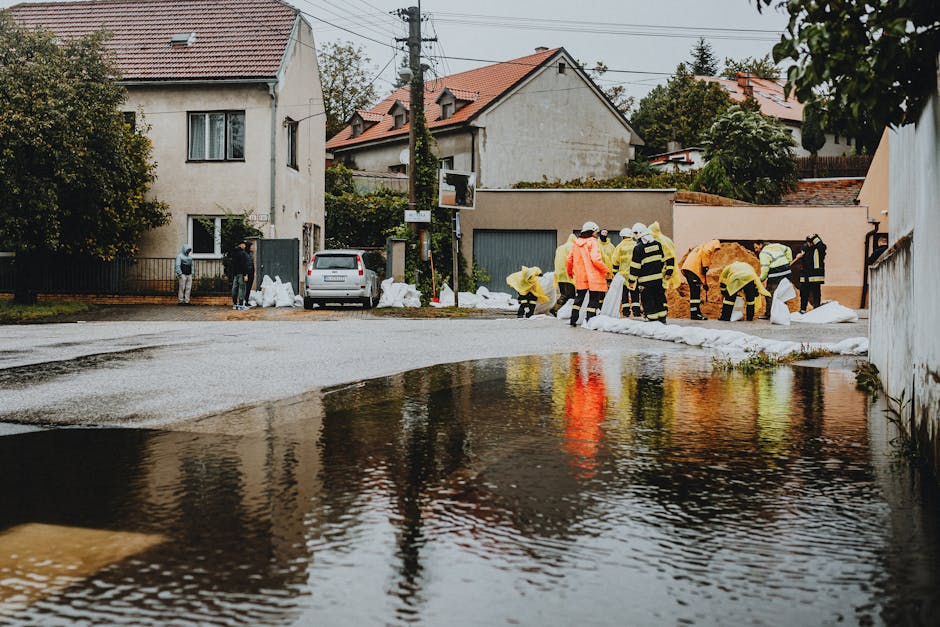
Emergency flood cleaning Finsbury Park common problems
Posted on 24/08/2026

Emergency flood cleaning Finsbury Park common problems: what goes wrong, what to do, and how to recover fast
When water gets into a home, flat, office, or shop, the clock starts ticking. With Emergency flood cleaning Finsbury Park common problems, the hardest part is often not the clean-up itself, but the chain reaction that follows: soaked carpets, hidden damp, damaged skirting boards, awkward insurance questions, and that unmistakable smell that seems to arrive a day later. If you are dealing with a flood in Finsbury Park, or trying to understand what usually goes wrong, this guide breaks it down in plain English and shows you the sensible next steps.
Truth be told, flood cleaning is rarely tidy or simple. One room can look fine while moisture is still sitting under floor coverings or inside furniture. A quick surface wipe can make things look better for an hour, but not solve the real issue. In the sections below, you will find a practical explanation of how emergency flood cleaning works, the common problems people face in N4 homes and businesses, and the decisions that help you avoid costly mistakes later on.
Why Emergency flood cleaning Finsbury Park common problems Matters
Flood damage is one of those problems that looks smaller than it is. A bit of water on the floor? Dry it off. A damp patch on the carpet? Move a fan around. Easy, right? Not quite. In many Finsbury Park properties, the visible water is only the first layer of the issue. Older layouts, basement storage, shared stairwells, and mixed-use buildings can all make moisture spread in ways people do not expect.
The main problem is time. Water can soak into underlay, MDF furniture, plaster, laminate edges, and insulation very quickly. Once that happens, the clean-up becomes more about controlled drying, odour prevention, and checking for hidden damage than simply removing standing water. That is why emergency response matters so much. The sooner the affected area is assessed, the better the chance of avoiding swelling, staining, mould growth, and long-term smells that are hard to shift.
There is also the knock-on effect on daily life. A flooded hallway in a family flat, for example, can block access to bedrooms. In an office, it may interrupt cables, reception areas, and flooring. In a rental property, delays can affect inspections, check-in dates, or tenant relations. If you are already comparing local cleaning options, it can help to look at related information such as same-day cleaning support in Finsbury Park and how to avoid hidden charges with local cleaning companies, because urgency should never mean guesswork.
Key takeaway: flood cleaning is not just about removing water. It is about stopping hidden damage, drying correctly, and catching problems before they spread.
How Emergency flood cleaning Finsbury Park common problems Works
Emergency flood cleaning usually follows a fairly sensible pattern, even if the scene itself feels chaotic. First comes the assessment. Then water removal. Then drying, sanitising, and checking for secondary damage. The exact order can change depending on the source of the flood and the materials involved, but the logic stays the same: make the area safe, get moisture out, then prevent further deterioration.
A common mistake is assuming all floods are the same. They are not. Clean water from a burst pipe is a very different job from water backed up from drains or contaminated runoff. The latter often needs stricter handling because the contamination risk is higher. That means more care with PPE, disposal, and cleaning methods. Even within a single property, different surfaces behave differently. Tile may be fine after drying, but a carpeted room can hide a soaked underlay for days.
In practical terms, emergency flood cleaning can include:
- standing water extraction
- lifting and checking carpets or mats where needed
- drying floors, walls, and furniture surfaces
- sanitising affected areas
- odour treatment
- monitoring moisture levels over time
- spotting structural or material damage early
That last part matters more than people think. A room can feel dry underfoot and still hold moisture behind a skirting board or under a cupboard. You do not always see the issue right away. Sometimes you only hear it later, when a floorboard starts creaking strangely or you notice a musty smell on a damp morning. Not ideal, obviously.
Key Benefits and Practical Advantages
The biggest benefit of fast, proper flood cleaning is damage control. You are buying time, and in this kind of situation time is not a small thing. The sooner the area is dried, the lower the risk of permanent staining, warped surfaces, and mould development. That alone can make a huge difference to the final repair bill.
There is also a peace-of-mind benefit. Floods are stressful. Very stressful. Having a clear process helps you stop panic decisions, like scrubbing the wrong material or switching on appliances in unsafe conditions. A good approach gives you a methodical way forward, which is often what people need most in the first few hours.
Other practical advantages include:
- Better salvage potential for carpets, rugs, and furniture
- Reduced odour risk by tackling hidden moisture early
- Lower disruption for homes, tenants, staff, or customers
- Cleaner handover if the property is being sold, let, or vacated
- Safer conditions by removing slip hazards and damp contamination
If the property is part of a move-out or inventory process, the speed of recovery can matter a lot. For landlords and tenants, related guides like end of tenancy cleaning in Finsbury Park and end of tenancy cleaning near Stroud Green Road can be useful when flood damage overlaps with checkout deadlines. That happens more often than you might expect.
Who This Is For and When It Makes Sense
Emergency flood cleaning is not only for dramatic property disasters. It makes sense whenever water has entered a space in a way that could cause hidden damage, contamination, or disruption. That includes households, landlords, tenants, office managers, shop owners, and letting agents dealing with a sudden incident.
In Finsbury Park, the most common scenarios often involve:
- burst pipes or failed appliance hoses
- bathroom overflows
- leaks from upper flats
- rainwater entering through compromised windows or roof points
- blocked drains or water backing up
- water spread across carpets, upholstery, or storage areas
For a family home, the priority may be protecting flooring and furniture. For a business, it may be reducing downtime and keeping the premises safe for staff. For renters, it may be about documenting damage properly and avoiding misunderstandings later. And yes, if you are trying to decide whether to act immediately or wait until morning, the safer answer is usually: act now. Waiting often gives the moisture more time to spread.
Some people also come at this from a wider property angle, especially in a local area like N4 where homes can be a long-term investment. Articles such as selling real estate in Finsbury Park and best practices for investing in Finsbury Park property help frame why fast recovery matters when a flood hits a space you may need to sell, rent, or protect commercially.
Step-by-Step Guidance
If you are facing a flood issue now, here is the practical sequence to follow. Keep it calm and simple. No heroics needed.
- Make the area safe. If water is near electrics or appliances, do not touch anything you are unsure about. Safety first, always.
- Stop the source if you can do so safely. Turn off the water supply if the problem is a burst pipe or appliance leak and you know where the shut-off point is.
- Move dry belongings out of harm's way. Furniture, documents, and textiles should be lifted quickly if it can be done without spreading water around.
- Photograph the damage. Take clear pictures before much is moved. This helps with insurance and record-keeping.
- Extract standing water. Use appropriate equipment or arrange emergency extraction. Towels help for small areas, but they are only a start.
- Check under carpets and furniture. This is where many problems hide. Underlay can hold more water than the surface suggests.
- Dry in a controlled way. Ventilation and dehumidification matter more than blasting hot air everywhere.
- Sanitise the affected areas. Especially if the water source is not clean.
- Monitor for smell, staining, or soft spots. These are signs that drying is incomplete or material damage has started.
- Recheck after a day or two. Floods love to pretend they are finished before they are.
If the issue affects soft furnishings, it may help to read about care for delicate textiles such as washing velvet curtains without ruining them. Flood exposure is not the same as routine washing, of course, but the broader principle is useful: treat fabrics carefully, because one rough attempt can make things worse.
Expert Tips for Better Results
There are a few things that consistently improve outcomes, and they are not glamorous. They are just solid practice.
Use moisture to guide decisions, not appearances. A carpet can look almost dry while the underlay is still wet. The same goes for skirting boards and cupboard bases. If possible, check the whole structure of the affected room, not just the top surface.
Keep air moving, but not randomly. People often open one window, switch on a fan, and hope for the best. That can help, but it is not a full drying plan. Controlled airflow and dehumidification are usually more effective than simply making the room feel breezy.
Think in zones. Treat the wettest part first, then work outward. That prevents unnecessary spreading and helps you prioritise what needs inspection before what only needs a cosmetic clean.
Do not rush to replace finishes. If flooring, plaster, or furniture are still damp inside, replacement too early can trap moisture. That leads to the sort of problem people hate most: the repair looks done, but the smell returns a week later. Annoying, expensive, all of that.
Keep records. Date, time, photos, notes, and any conversations with insurers or building managers. Simple, but useful. Especially if the incident involves a shared building or a rental arrangement.
One small local reality worth mentioning: in dense London streets, access can be tricky. Parking, stair access, and tight hallways can slow equipment movement. That is not a reason to delay action. It just means the clean-up plan should be practical, not optimistic.

Common Mistakes to Avoid
A lot of flood damage gets worse because someone means well but acts too quickly. Happens all the time.
- Cleaning the surface only. Wiping visible water without checking under carpets or furniture leaves moisture behind.
- Using heat as a shortcut. High heat can damage materials or make damp spread unevenly.
- Ignoring odour for too long. If it smells musty, there is usually a reason.
- Replacing items before they are dry. That can lock moisture in and worsen mould risk.
- Skipping photos and notes. A pain at the time, yes, but very useful later.
- Assuming all water is harmless. Not every flood is clean water.
Another common one is trying to save everything. Understandable, but not always sensible. Some items are worth restoring, while others are better written off. The decision depends on contamination, material type, and drying time. It is a judgement call, and a good one matters.
For business spaces in particular, a flood that is "nearly dry" can still be a problem for staff and customers. If the site is an office, a related article on office cleaning for Finsbury Park businesses on Seven Sisters may help you think about the practical side of keeping a workplace presentable while recovery work continues.
Tools, Resources and Recommendations
You do not need a warehouse of specialist gear to deal with the basics, but the right tools make a big difference. If you are handling a small incident before professionals arrive, these are the kinds of things that help:
- mops and absorbent towels
- wet vacuum or water extraction equipment
- dehumidifier
- fans for airflow
- gloves and protective footwear
- plastic sheeting or bags for moved items
- moisture meter, if available
- disinfectant suitable for the affected material
For property owners comparing services, the broader site can help you understand the company background and process. You may find the services overview useful for seeing how different cleaning needs fit together, and insurance and safety information useful when flood work affects risk and liability. If you are checking practical arrangements, pricing and quotes and payment and security can also help set expectations.
If upholstery has been affected, it is often better to treat it as a separate category rather than assuming it can be handled like a hard floor. Soft furnishings absorb and release moisture differently. In some cases, that changes what can be saved and how long it takes.
Law, Compliance, Standards, or Best Practice
Flood cleaning itself is a practical service, but there are still important best-practice and safety expectations around it. In the UK, the exact response depends on the cause of the flood, the property type, and whether contamination is involved. You should always be cautious around electrics, slippery surfaces, and any water that may contain waste or debris.
For landlords, letting agents, and businesses, record-keeping matters. If the flood affects a tenanted property or commercial premises, document the condition carefully and communicate clearly with the relevant parties. That helps avoid disputes about what happened before, during, and after the incident.
Good practice also includes:
- using trained people for contaminated or extensive flooding
- wearing appropriate protective equipment where needed
- avoiding unsafe electrical use in wet areas
- disposing of damaged materials responsibly
- checking the property again after initial drying
It is also sensible to review terms, complaints routes, and policy details before work begins if the job is large or time-sensitive. That is not bureaucracy for its own sake; it is there to reduce confusion when everyone is already under pressure. A calm process beats an improvised one, pretty much every time.
Options, Methods, or Comparison Table
Different flood situations need different responses. Here is a simple comparison to help you judge the right approach.
| Method | Best for | Strengths | Limits |
|---|---|---|---|
| Basic DIY drying | Very small spills or minor clean water incidents | Quick, low cost, immediate action | Misses hidden moisture, limited sanitising, not suitable for larger floods |
| Targeted emergency cleaning | Single-room leaks, damp carpets, localised flooding | Better extraction and drying control, less disruption | May still need follow-up checks if materials are saturated |
| Full flood remediation approach | Major leaks, repeated water ingress, contaminated water, multi-room damage | Most thorough, reduces long-term risk, better for complex cases | More involved, may require more time and coordination |
In simple terms, the more water, contamination, or hidden material damage you have, the more the job shifts away from basic cleaning and toward proper remediation. And that shift is where many people get caught out. They think the clean-up is done because the floor looks tidy. It is not always that straightforward.
Case Study or Real-World Example
Here is a typical Finsbury Park scenario, based on the sort of situation people run into all the time. A tenant in a first-floor flat notices water near the hallway after a leak from an upstairs bathroom. The visible area is only a few square metres, so at first it seems manageable. A few towels, a fan, maybe an hour of effort. Simple enough.
By the next morning, the hallway still feels slightly soft underfoot, and there is a faint damp smell near the skirting board. The carpet surface looks acceptable, but the underlay has held water. The tenant contacts the landlord, photos are taken, and a proper drying plan is put in place. A dehumidifier is used, the area is monitored, and the skirting is checked for swelling. In this case, the key win was catching the hidden moisture before it turned into a bigger repair.
That is the pattern, really. The visible part of a flood is only part of the story. The hidden part decides how expensive and disruptive the aftermath becomes. Sometimes you get lucky. Sometimes you do not. Better not to gamble with it.
Practical Checklist
Use this quick checklist if you are dealing with flood damage in or around Finsbury Park:
- Is the area safe to enter?
- Has the water source been stopped?
- Have you switched off affected electrics if needed?
- Have you photographed the damage?
- Have you lifted valuable or sensitive items out of the wet area?
- Is there standing water that needs extraction?
- Have you checked under carpets, rugs, and furniture?
- Is there a dehumidifier or drying plan in place?
- Have you noted any smell, swelling, or soft spots?
- Have you arranged follow-up checks after drying?
If you can tick most of those boxes, you are already ahead of the game. If not, do not worry. Start with the safest step and work forward from there. Small progress is still progress.
Conclusion
Emergency flood cleaning in Finsbury Park is really about controlling damage before it controls you. The common problems are familiar: hidden moisture, soaked underlay, stubborn smells, surface-only cleaning, and delays caused by uncertainty. The good news is that most of those problems become easier when you move quickly, document the issue, and use a methodical approach.
If you remember only one thing, make it this: a flood that looks small can still leave a big mess later. The safest response is usually the most measured one, not the quickest-looking one. Dry properly, check carefully, and do not let the water win quietly in the background.
Get a free quote today and see how much you can save.
And if you are dealing with this right now, take a breath. One step at a time is enough. That is often how the best recoveries start.